Stegra joins European Resilience Alliance for clean hydrogen
The European Resilience Alliance for Clean Hydrogen & Derivatives (ERA) brings together companies that have committed to, and will be contributing to, the decarbonization of European industry by investing in renewable and clean hydrogen.
The alliance will engage in dialogue with European policymakers around policy developments to promote investments in decarbonization using clean hydrogen technologies in energy-intensive industries as well as the energy and transport sectors. Investments in clean hydrogen can also make Europe more resilient as they lower the dependency on imported fossil fuels.
Thyssenkrupp group has taken the initiative for this alliance, and we see this as good complement to the commercial cooperation we have with different companies in the group.
Ola HansénPublic affairs lead for EU affairs
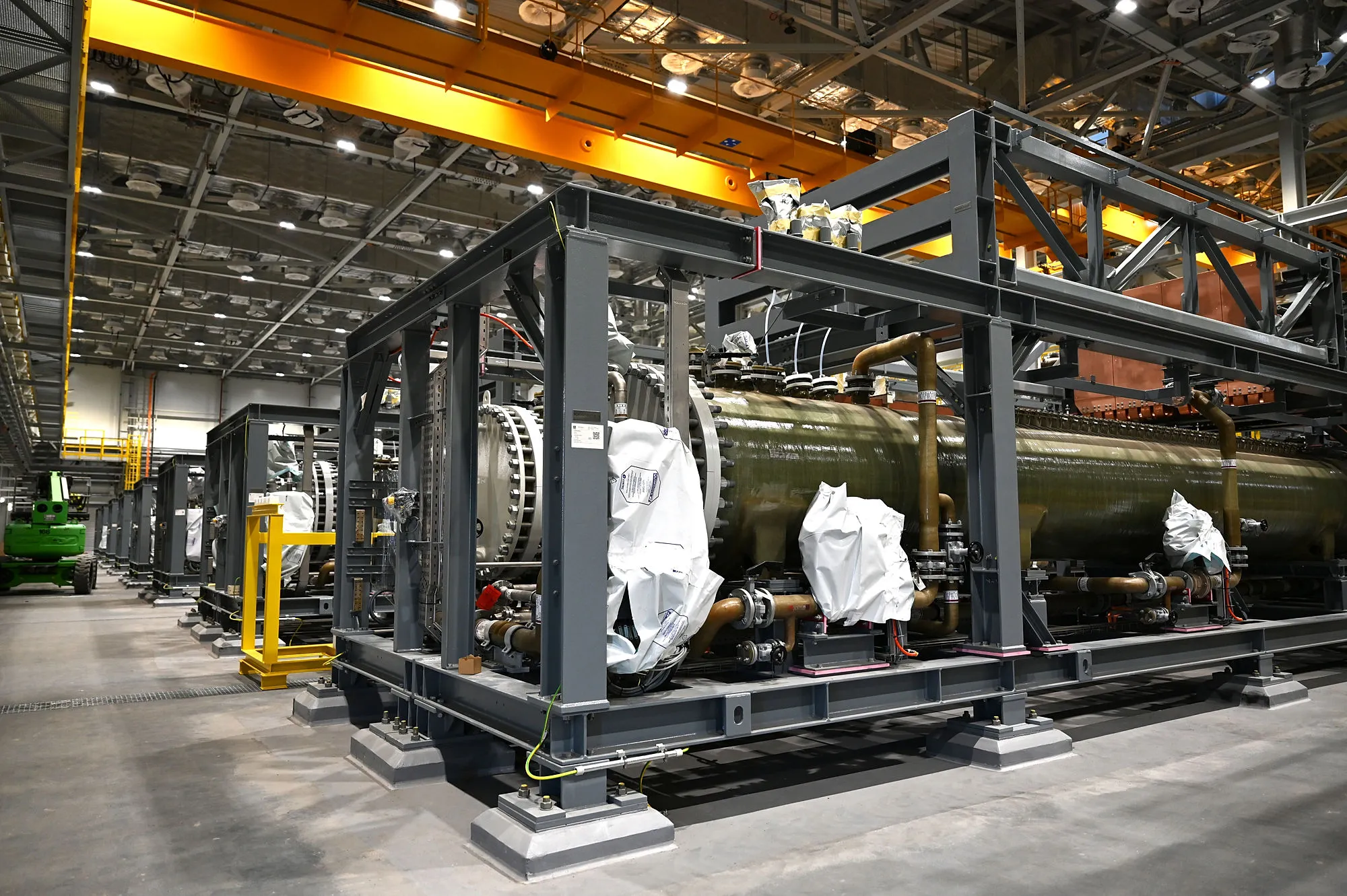
As a key piece of the green steel plant that it’s building in Boden, northern Sweden, Stegra is constructing Europe’s largest green hydrogen facility. The hydrogen produced here will enable the production of green iron, the key ingredient for producing near-zero emission steel.
Highlights from the white paper include:
– Level playing field for near-zero and low-CO2-emission materials by securing a carbon price in the EU Emissions Trading System (ETS) and Carbon Border Adjustment Mechanism (CBAM) that makes these solutions competitive.
– Revenues from the auctioning of allowances in the EU ETS should be recycled back to industry to co-fund companies investing in decarbonization projects (e.g. via the existing EU Innovation Fund and/or the newly proposed Industrial Decarbonisation Bank).
– The importance of creating demand for decarbonized products, so called “lead-markets,” through clear rules that create stable demand to support first movers and give investors confidence. Such demand can be created via “low carbon steel” requirements in public procurement as proposed in the Industrial Accelerator Act or use of green steel credits to balance end-of-pipe emissions as proposed in the revision of the CO2 emission standards for cars.